
THE HOMEOWNER’S GUIDE TO SOLAR WILL IT WORK ON YOUR ROOF
Which way your roof faces
Roof direction affects both total solar production and when it occurs. Compare the options for your actual home.
← Back to the guide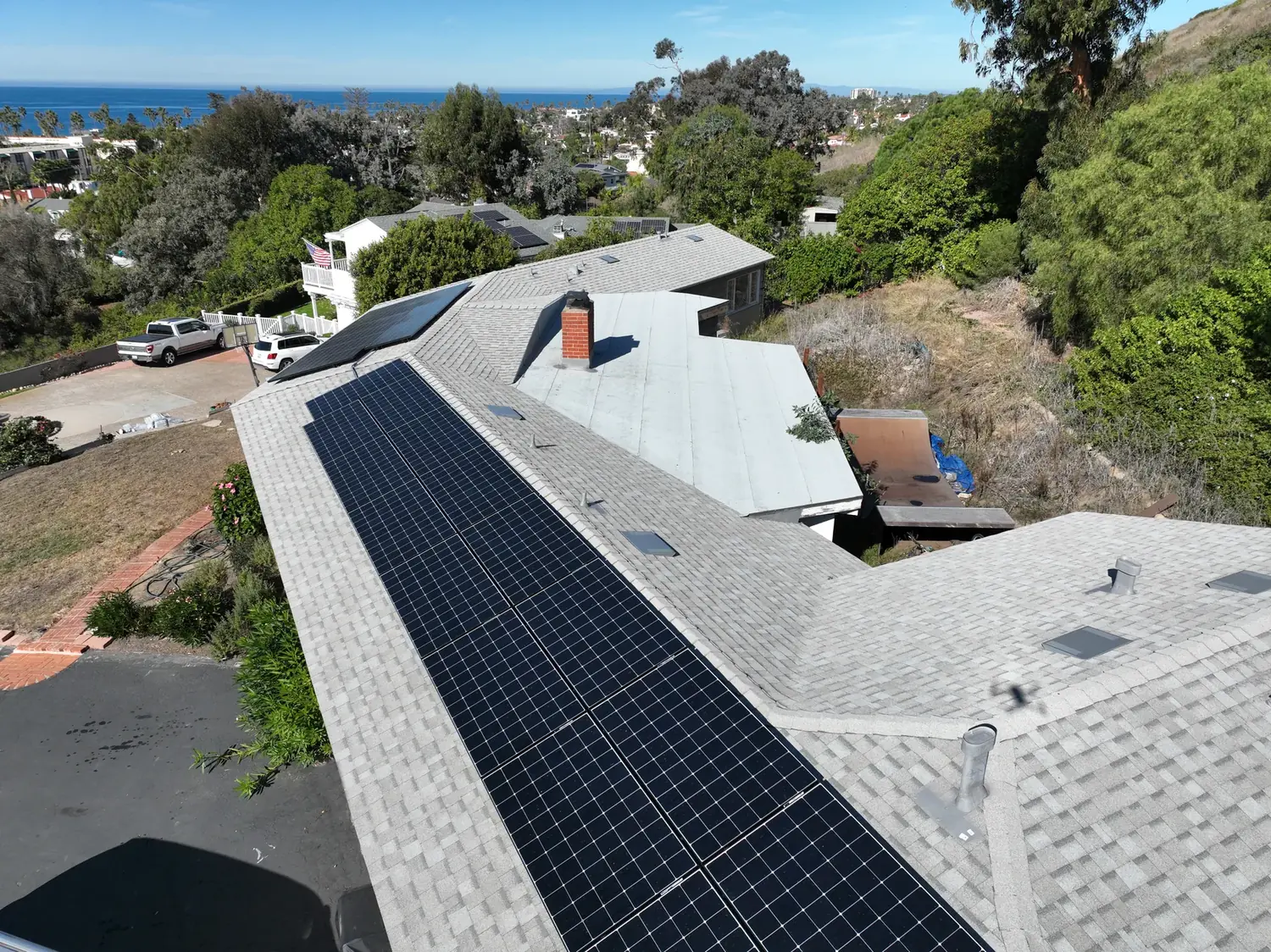 Solar installation example
On this page
Your roof’s direction influences how sunlight reaches your panels. In California, south-facing roofs often offer strong annual production, but southeast and southwest orientations can also work well. East- or west-facing roof areas can be useful, too. The best choice depends on the roof, shade, your energy needs and the financial terms that apply to your home.
Production is only part of the decision
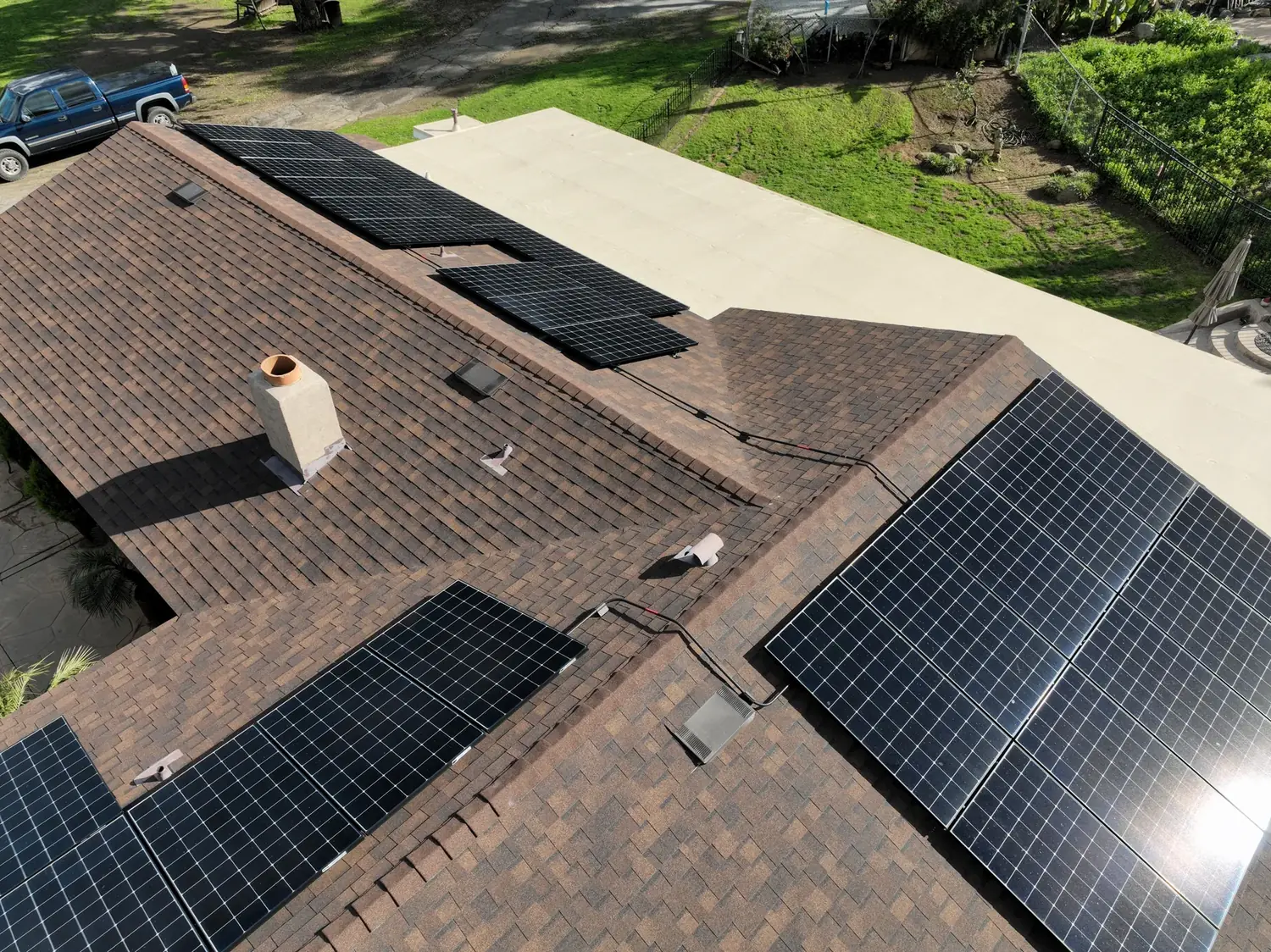
Panels facing different directions receive direct sunlight at different times. East-facing panels tend to receive more morning sun; west-facing panels tend to receive more afternoon sun. The value of that production depends on when your household uses electricity, whether you have storage, and your utility’s applicable rates and export rules.
Slope and shade matter too
A direction that looks promising on a map can be affected by trees, chimneys or neighboring buildings. Roof slope also changes the result. Ask for a site-specific estimate rather than assuming that compass direction alone determines performance.
Compare a few layouts
When there are multiple usable roof planes, ask your installer to compare the proposed arrangements. Review estimated annual production, the time of day energy is generated, any shade assumptions and the price. A mix of roof directions may be worth considering if it better fits the space or your goals.
The numbers are estimates, not a guarantee. Weather, equipment, shade and how you use electricity can affect the actual result.
Sources and further reading
KEEP EXPLORING