
THE HOMEOWNER’S GUIDE TO SOLAR
Explore the complete guide.
Practical answers for every step of your solar journey.
← Back to the guide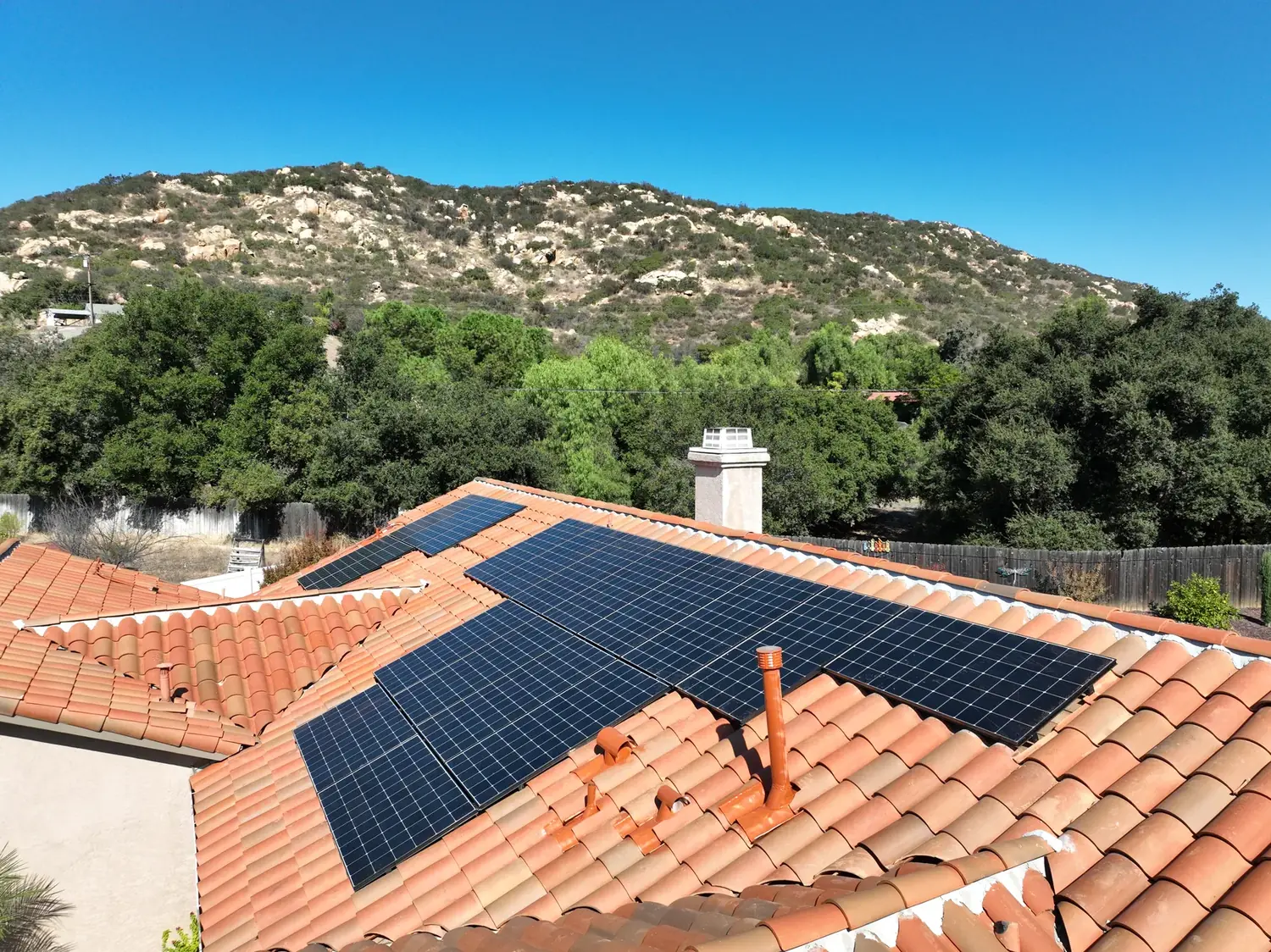 Solar installation example
Solar basics
- How solar actually works on a houseA home solar system turns sunlight into electricity. Your home can use that electricity as it is produced; depending on your setup, extra power can be stored or sent to the grid.
- How much power your home actually usesYour electricity use is a starting point for a solar design. Looking at a full year helps capture seasonal changes, while considering the timing of use helps explain the potential value of solar and storage.
- Sending power back to the gridWhen your solar system produces more than your home uses at that moment, eligible surplus may be sent to the electric grid. The credit you receive depends on your utility and the rules for your account.
- What your bill looks like after solarYour electric bill usually changes after solar, but it does not necessarily disappear. You may still buy electricity from the grid, receive credits for eligible exports, and pay charges that solar does not offset.
- What solar does not doSolar can produce electricity for your home, but it is worth separating what the equipment does from what depends on your roof, utility, agreement and system design.
- Is solar worth it for youA practical way to compare solar with your current electric costs and decide which benefits matter to your household.
Will it work on your roof
- Will solar work on your roofA useful roof assessment considers sun, space, condition and the electrical work—not just whether panels fit.
- Sun, shade, and treesLearn how shade changes solar production and what to ask for in a site-specific assessment.
- Which way your roof facesRoof direction affects both total solar production and when it occurs. Compare the options for your actual home.
- How old is your roofUnderstand why roof condition matters before installation and which questions to ask about future roof work.
- What your roof is made ofThe material and condition of your roof affect how a solar system can be attached and what work is needed. Ask for a design specific to your roof rather than assuming one mounting method fits every home.
- Your electrical panelFind out why your installer checks your electrical equipment and when additional work may be needed.
- HOAs and permitsA solar project may involve both local permitting and homeowners association review. They serve different purposes, so ask early who will prepare each application and what the design will need.
What goes on your house
- Comparing solar panelsCompare panel performance, fit and warranties in the context of your actual roof.
- How panels ageSolar panels can gradually lose output over time. Learn what a performance warranty does—and does not—promise.
- Reading a solar warrantyA warranty is more than a number of years. Ask for each applicable document and understand who promises what, how a claim works, and who pays for the work.
- Turning sunlight into usable powerSolar panels produce direct current (DC). An inverter converts that electricity into alternating current (AC), the type used by standard household circuits. The right design depends on your roof, equipment and goals.
- String inverters vs microinvertersDifferent inverter designs make different tradeoffs in monitoring, roof layout, service and cost.
- Keeping your roof looking rightPlan a solar layout that balances appearance with sunlight, roof constraints and equipment requirements.
- Roof penetrations and leaksLearn what to ask about solar mounting, weatherproofing and responsibility for future roof concerns.
Paying for solar
- Cash, loan, lease: what each one actually costs youThere is more than one way to go solar. Compare purchase, financing and third-party ownership using the same proposed system, the same assumptions, and the full cost over time.
- How solar loans actually workA solar loan lets you buy the system over time. The monthly payment matters, but the amount financed, APR, fees, and repayment schedule tell you much more about what you are agreeing to.
- Dealer fees: why financed solar costs moreA low monthly payment can make a solar loan look appealing. To understand its real cost, compare the complete financed offer with a cash quote for the same equipment and work.
- Leases and PPAs: renting the system on your roofA lease or power purchase agreement (PPA) can bring solar to your home while another company owns the system. The benefit is a different way to pay for solar; the details that make an offer valuable live in the agreement.
- What solar actually costsUnderstand the complete price of solar, including equipment, installation, financing and the utility charges that may remain.
- Reading a solar quote line by lineA useful solar quote should show what is being installed, what it is expected to produce, what you will pay, and who is responsible after installation. Ask for the assumptions behind the headline savings number.
- What a solar loan does to your creditLearn how a credit application, loan and payment history may affect your credit, and what to ask before applying.
- Selling a house with solar on itPrepare for a sale by checking ownership, loan or lease terms, equipment records and any transfer requirements.
Batteries and backup power
- Do you need a batteryA battery can shift energy to a different time of day, provide backup when paired with the right equipment, or be designed for both. Whether it is right for your home depends on your goals and the numbers.
- How a battery works with solarA battery stores electricity for use later. It can work with solar to help manage your bill, provide backup with compatible equipment, or do both. The way power moves depends on the system’s settings and your utility’s rules.
- What happens during an outageSolar can keep parts of your home powered during an outage, but only if the system is designed and equipped for backup. The equipment, the appliances you want to run, and the available sunlight all matter.
- Sizing a batteryMatch usable storage and power output to the loads, outage goals and rate plan for your home.
- Batteries for savings, not backupA battery can store energy and shift when you use it. That may lower your bill under some utility rates, but the savings depend on your home, equipment and tariff.
- Battery lifespan and warrantiesA battery is a long-term purchase, and its warranty can be as important as its capacity. Look beyond the number of years to understand what is covered and how the battery will be used.
Getting it installed
- From signing to switch-onSee the usual steps from planning and site assessment to permits, inspection and utility approval.
- The site visitA site visit helps confirm the proposal against the real roof, electrical equipment and access at your home.
- How your system gets designedA solar design turns your home’s characteristics and your goals into a proposed layout, equipment list and production estimate. It is worth reviewing before the plans move into permitting.
- Permits and inspectionsUnderstand the separate roles of local permits, inspections and utility authorization.
- Installation dayKnow what to discuss before the crew arrives and what to request when the work is complete.
- Getting permission to operateAfter installation, a grid-connected system generally needs inspection and utility authorization before it can operate in parallel with the grid. This final approval is often called permission to operate, or PTO.
- What happens after it is onOnce your system is operating, take a little time to confirm your monitoring, utility account and paperwork. Then check performance and follow the care instructions for your equipment.
KEEP EXPLORING