
THE HOMEOWNER’S GUIDE TO SOLAR WILL IT WORK ON YOUR ROOF
What your roof is made of
The material and condition of your roof affect how a solar system can be attached and what work is needed. Ask for a design specific to your roof rather than assuming one mounting method fits every home.
← Back to the guide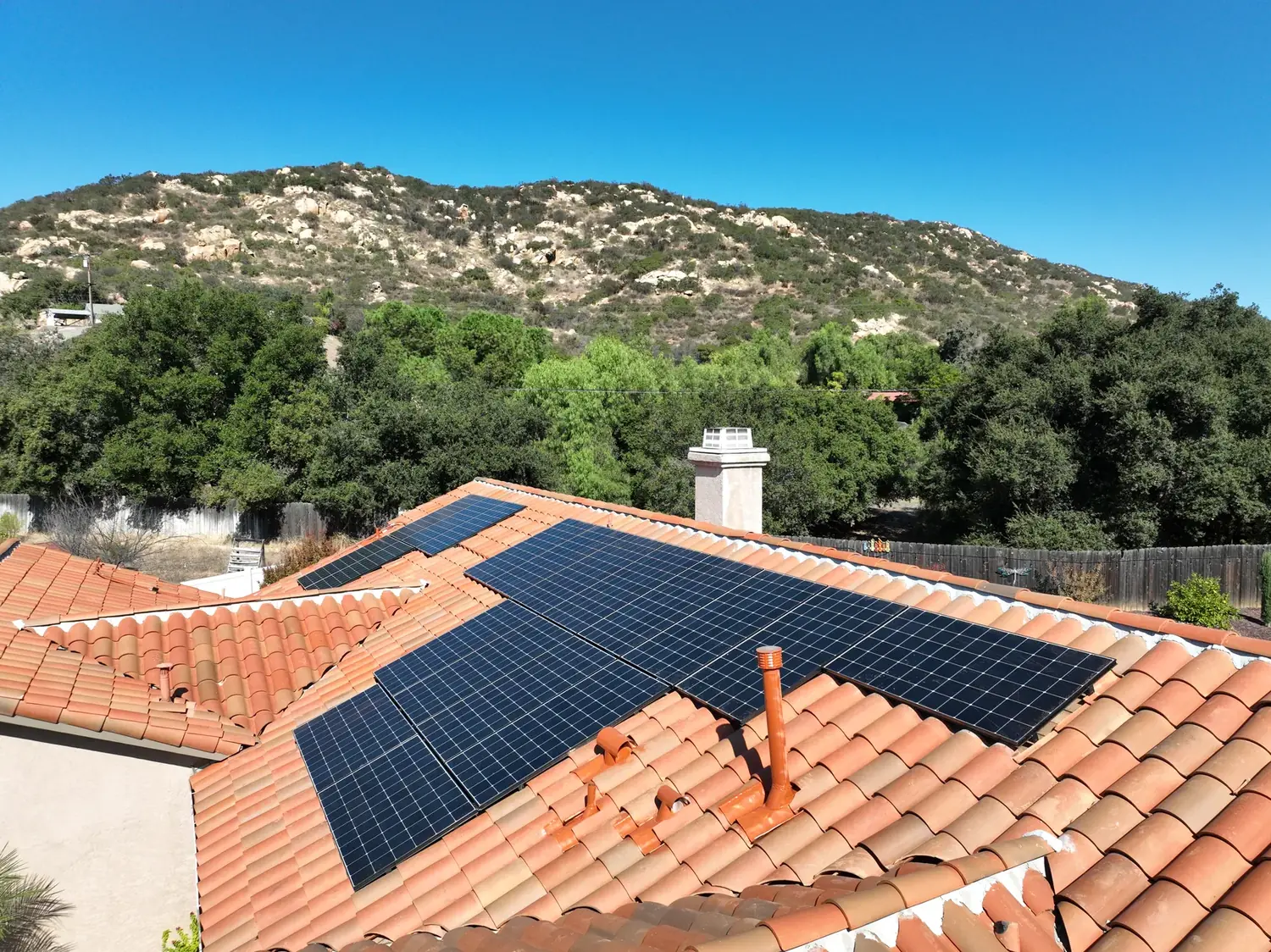 Solar installation example
On this page
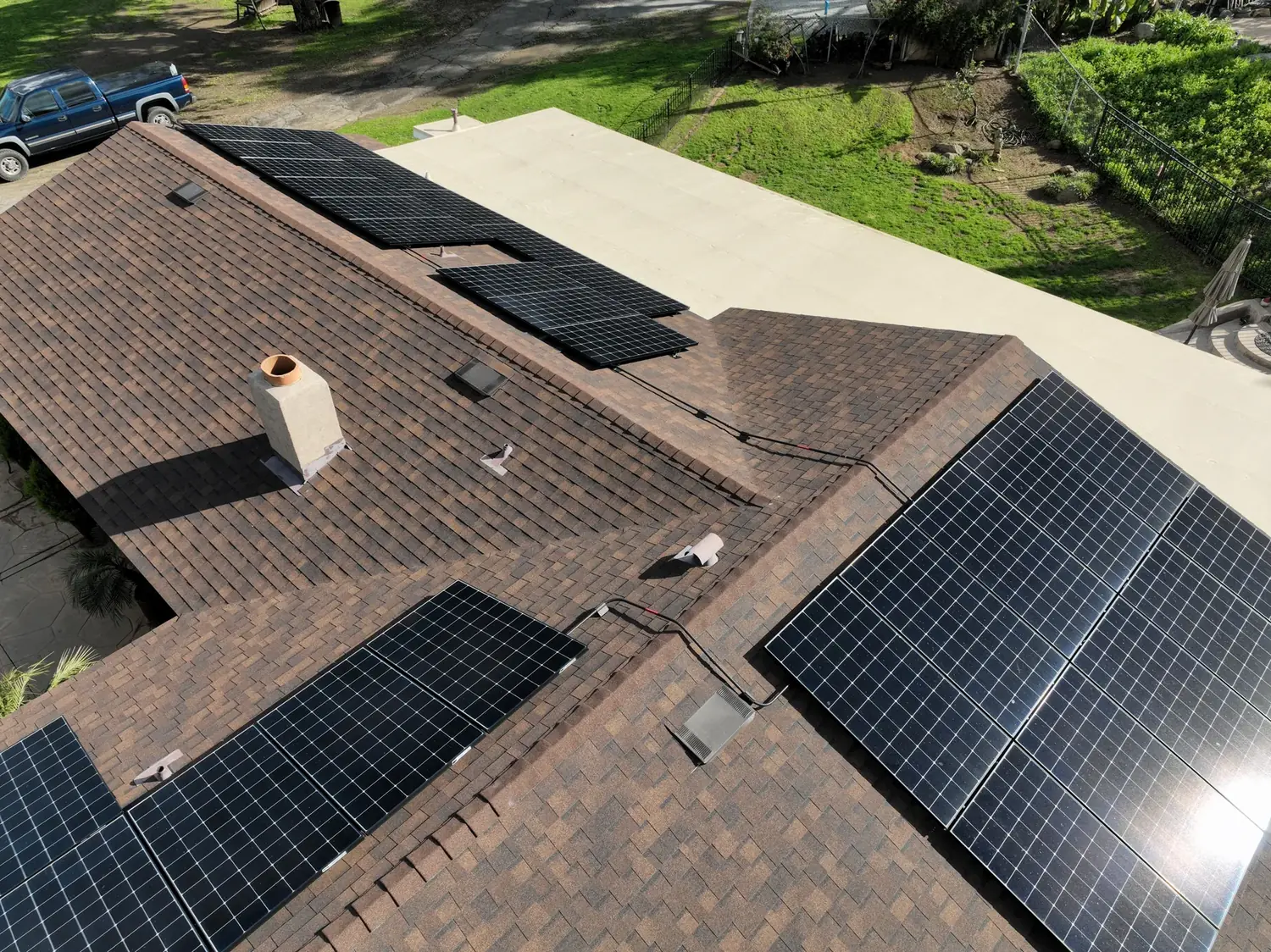
Shingle and tile roofs
Asphalt shingles and tile require different attachment and waterproofing details. Tile may need careful handling or replacement pieces. Ask how the installer will protect the roof, handle any damaged tiles, and match replacement materials if needed.
Metal and low-slope roofs
Some standing-seam metal roofs can use compatible seam clamps; other roof systems may require different attachments. Low-slope roofs can use different mounting approaches, including mechanically attached or ballasted designs where appropriate. The installer should verify compatibility, weatherproofing and structural loads for your roof.
Age and condition matter
If the roof may need replacement soon, discuss timing with both a roofer and the solar installer. Removing and reinstalling an array for later roofing work can add cost. Ask whether solar installation affects the existing roof warranty.
Questions to ask
What mounting method and flashing will be used? Who is responsible for repairing any damage? Does the price include the roof-specific work? Can you provide the equipment specifications and workmanship coverage in writing?
Sources and further reading
Reviewed November 14, 2026. Terms and utility rules can change; use the documents for your proposed system.
- U.S. Department of Energy: Rooftop solar permitting and inspection
- U.S. Department of Energy: A step-by-step guide to going solar
- California Department of Real Estate: California code excerpts
- U.S. Department of Energy: Integrating solar PV into weatherization programs
- U.S. Department of Energy: Solar photovoltaic system design basics
KEEP EXPLORING