
THE HOMEOWNER’S GUIDE TO SOLAR SOLAR BASICS
What your bill looks like after solar
Your electric bill usually changes after solar, but it does not necessarily disappear. You may still buy electricity from the grid, receive credits for eligible exports, and pay charges that solar does not offset.
← Back to the guide Solar installation example
On this page
What to look for
Find electricity purchased from the grid, eligible exports, credit amounts, and any remaining charges. A battery can change when you buy or export power, depending on its settings and your usage.
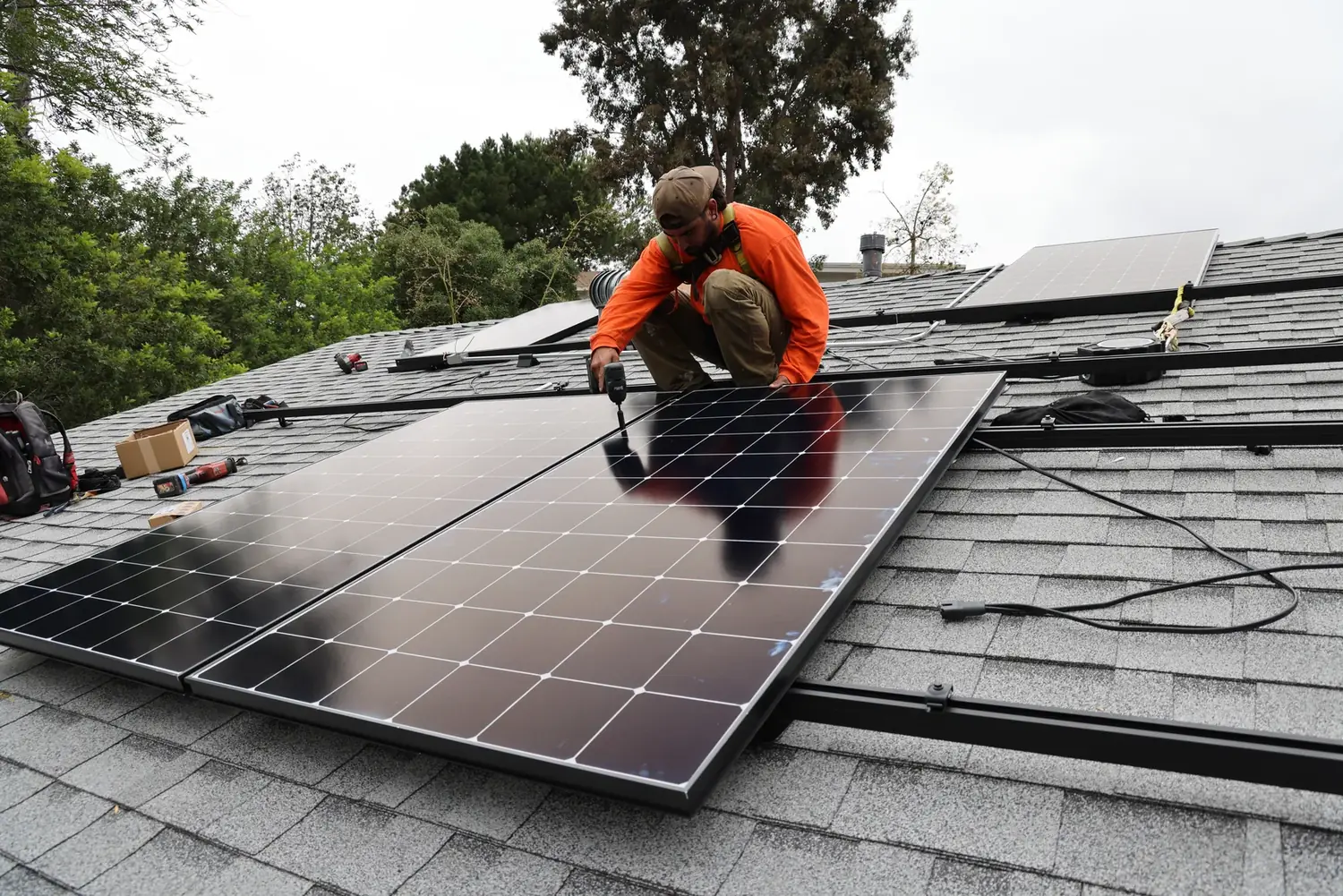
Monthly charges and annual settlement
Under the California Public Utilities Commission’s net billing description for PG&E, SCE and SDG&E, charges are paid monthly, unused credits can roll forward, and a true-up occurs annually. Other tariffs and utilities may work differently. Check the specific bill and tariff for your account.
Compare with your proposal
Review a full year where possible, because weather and use vary through the seasons. Compare production, usage and rates with the assumptions in the proposal. If the bill looks wrong, ask your utility about the tariff and credits, and ask your installer about the system’s reported production.
Ask before signing
What will I still pay the utility? Which tariff did you use? How were export credits valued? Is there an annual settlement? What happens if my usage changes? Request a written estimate that separates these assumptions from any guarantee.
A simple way to read your statement
| Item | What to check |
|---|---|
| Grid purchases | Electricity taken from the grid, the billing period and the rate or time-of-use period. |
| Exports and credits | Electricity sent to the grid and the value of credits shown under your actual tariff. |
| Other charges | Service, delivery and other charges shown on the statement; which credits can be used against them depends on the tariff. |
| Payments and balance | Payments already made, credits carried forward, the current amount due and any separate annual reconciliation. |
Utility bill versus total cost
An electric utility bill is only one part of the financial picture. Depending on your agreement, add the cost to purchase or finance the system, or any lease or PPA payments. A true-up amount is a settlement or balance shown for the relevant period; do not assume it is the household’s entire energy cost without checking earlier payments and separate solar costs.
When bills change
Weather, new electric appliances or vehicles, household use, utility rates, tariff rules and system production can change the comparison. Ask how the proposal accounts for these factors and whether the battery’s reserve and operating settings were included. Review your usage and production over a full year where possible.
Sources and further reading
Reviewed November 18, 2026. Terms and utility rules can change; use the documents for your proposed system.
KEEP EXPLORING