THE HOMEOWNER’S GUIDE TO SOLAR SOLAR BASICS
What solar does not do
Solar can produce electricity for your home, but it is worth separating what the equipment does from what depends on your roof, utility, agreement and system design.
← Back to the guide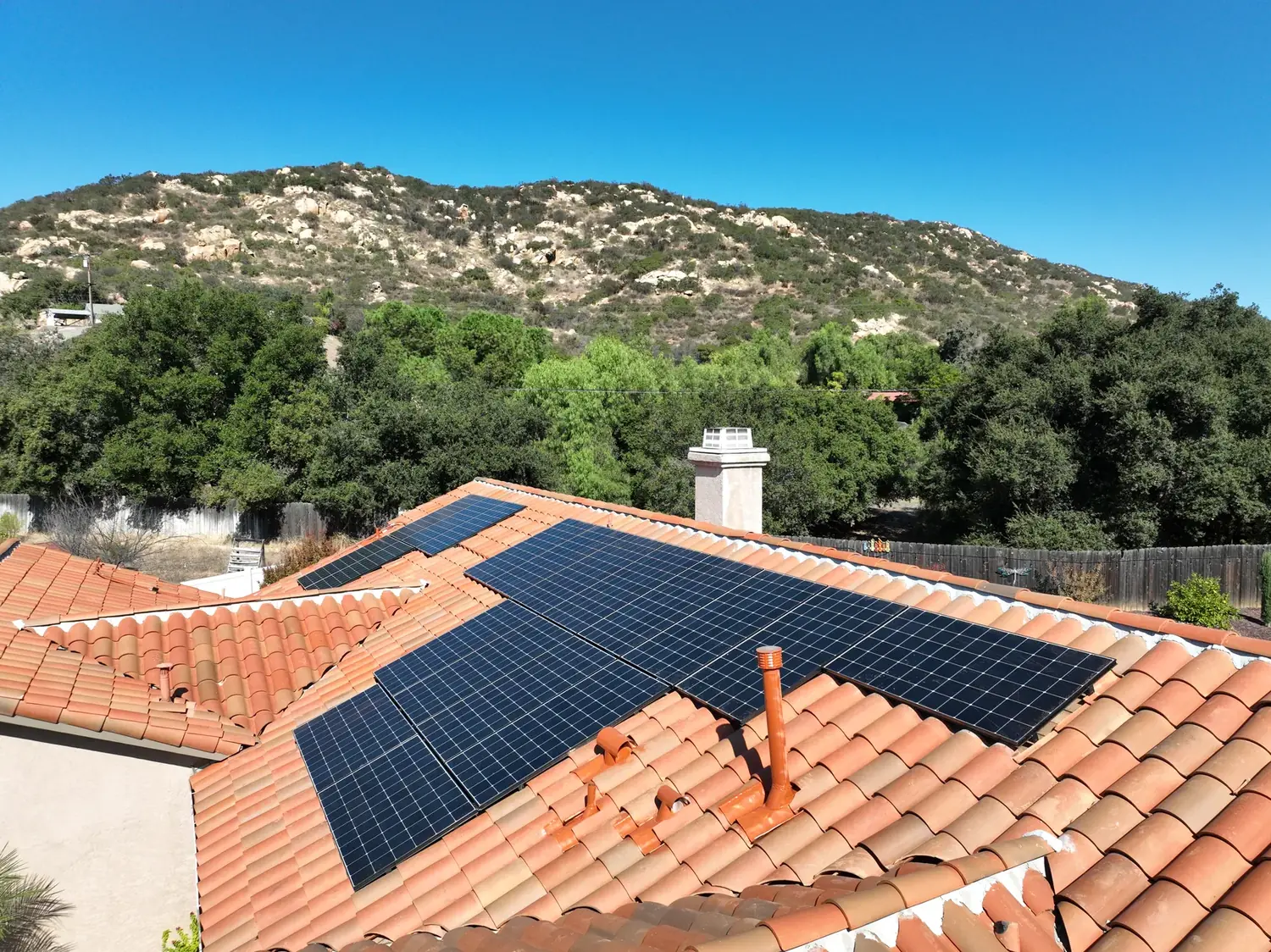 Solar installation example
On this page
Backup is a design choice
A standard grid-connected system usually shuts down in an outage. Backup requires compatible equipment that safely isolates the home from the grid. Some specially configured systems provide limited power in sunlight without a battery; a battery can store energy for use later. Ask what your specific system will support.
Your utility connection still matters
A grid-connected home may continue buying electricity, receiving eligible export credits, and paying charges. The amount depends on your utility, tariff and usage. Ask for the proposal’s assumptions and estimated remaining bill.
Your roof still needs attention
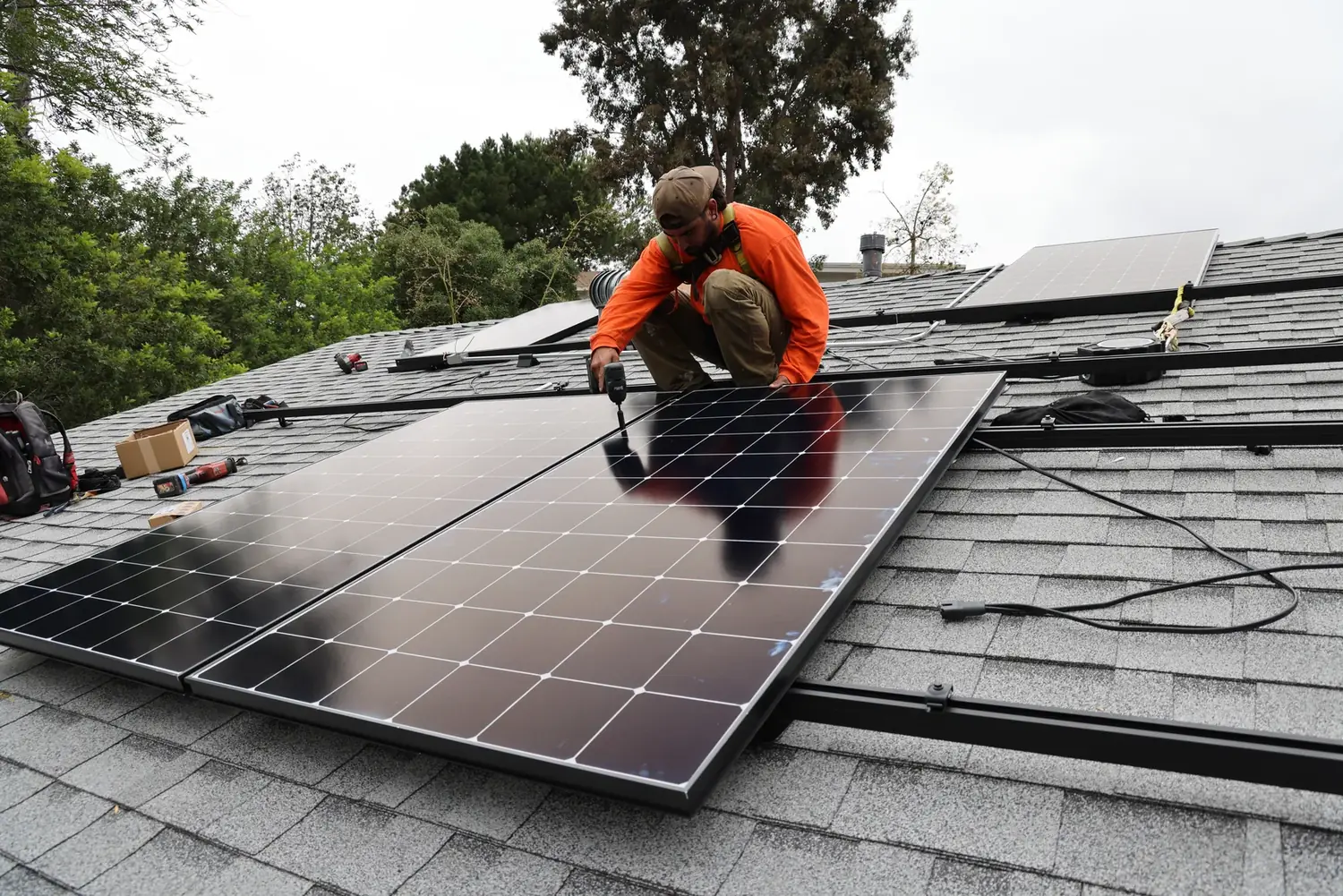
Panels are installed on or above an existing roof; they do not replace needed roof repairs. Discuss the roof’s condition, attachment details, roof warranty and the cost of removing and reinstalling equipment if roofing work becomes necessary.
Read the documents
Production and savings estimates are not automatically guarantees. Ask what warranties and service are included, how claims work, and what happens if you sell. Compare the complete cost and terms before choosing a purchase, loan, lease or PPA.
Sources and further reading
Reviewed November 14, 2026. Terms and utility rules can change; use the documents for your proposed system.
KEEP EXPLORING