
THE HOMEOWNER’S GUIDE TO SOLAR PAYING FOR SOLAR
What solar actually costs
Understand the complete price of solar, including equipment, installation, financing and the utility charges that may remain.
← Back to the guide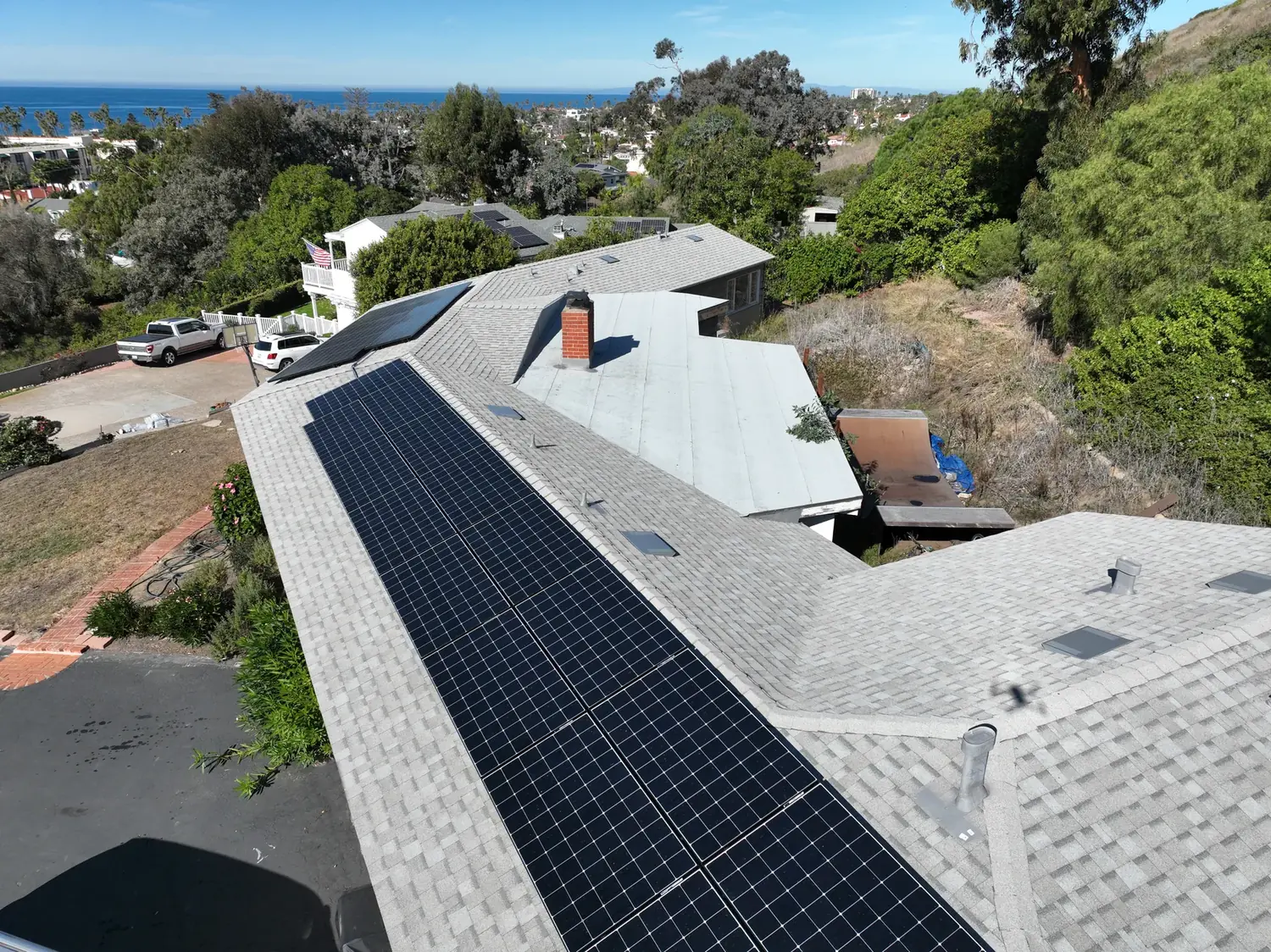 Solar installation example
On this page
The price of solar is more than the panels on your roof. A useful proposal shows what is included, how you will pay and what you may still owe your utility. Because homes, systems and agreements differ, compare written quotes for your own property instead of relying on a single advertised price.
What goes into the price?
Equipment can include panels, inverters, mounting hardware and, if selected, a battery. Design, permits, installation, inspection and company operating costs also contribute. A quote should explain what is included and any separate work, such as roof repairs or electrical upgrades. Ask how discoveries during the site visit could change the price.
Compare payment options over the same period
For a purchase, look at the full cash price and any ongoing service costs. With a loan, compare the amount financed, fees, interest, payment schedule and total payments—not just the monthly payment or advertised rate. Ask whether the payment can rise if a proposed prepayment is not made. The CFPB has documented fees and payment increases in some solar loans.
For a lease or power purchase agreement, review the upfront and ongoing payments, any scheduled increases, length of the agreement, maintenance terms and what happens if you sell. A prepaid agreement may have different terms. Compare the complete agreement, not just the starting payment.
Include your remaining utility bill
Most grid-connected homes still draw electricity at times and may have utility charges. Estimates should show the assumptions for your use, solar output, utility rates, export compensation and any battery. These figures can change and savings are not guaranteed.
Check incentives before counting them
As of November 2026, the IRS says the homeowner Residential Clean Energy Credit is not available for qualifying expenditures made after December 31, 2025. Paying in 2025 alone does not make an installation completed in 2026 eligible. Other programs and business-owned arrangements have their own rules; do not assume a benefit. Check current guidance and your eligibility with a qualified tax professional.
Sources and further reading
KEEP EXPLORING