
THE HOMEOWNER’S GUIDE TO SOLAR WHAT GOES ON YOUR HOUSE
String inverters vs microinverters
Different inverter designs make different tradeoffs in monitoring, roof layout, service and cost.
← Back to the guide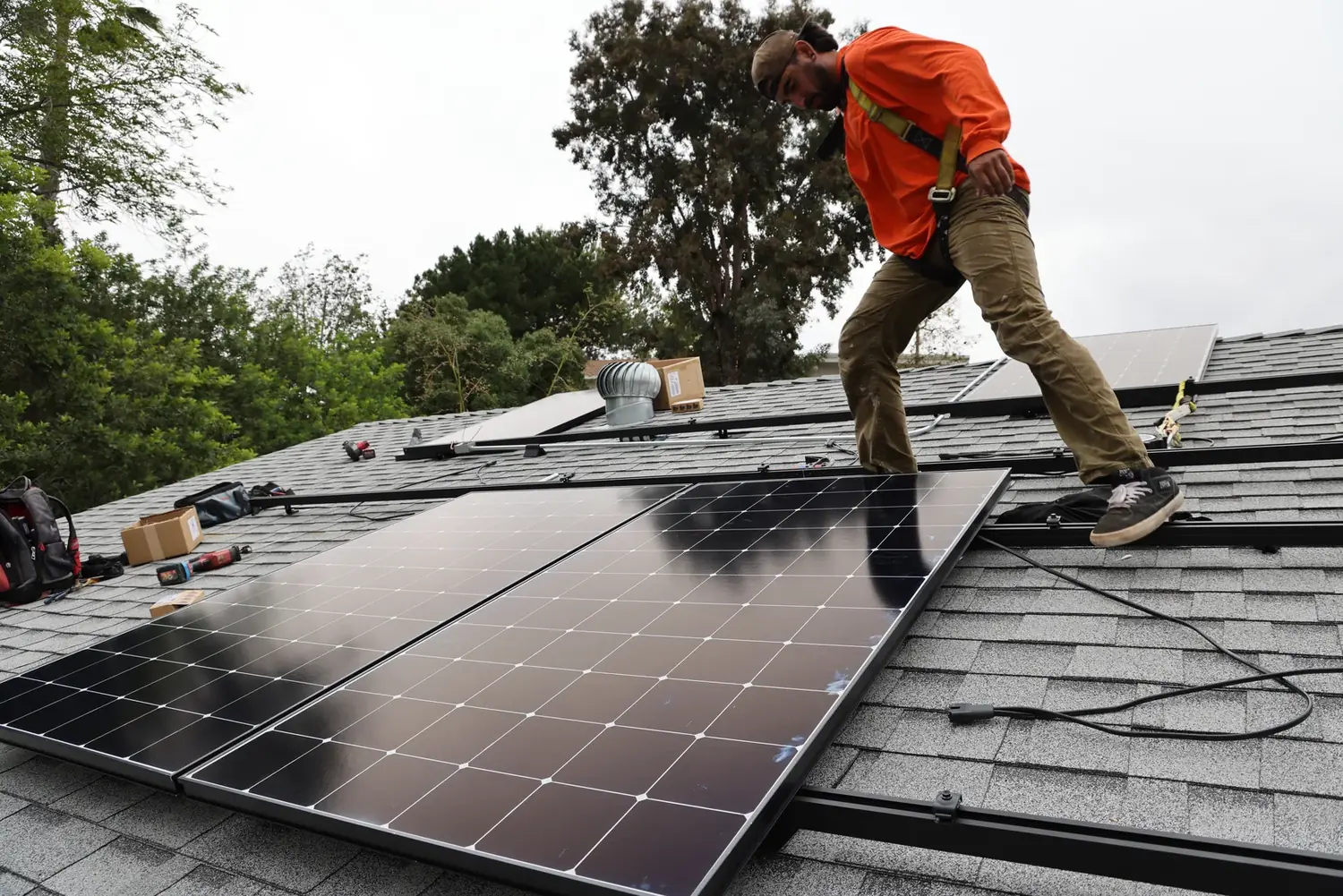 Solar installation example
On this page
Panels generate direct current (DC). Your home uses alternating current (AC). An inverter performs that conversion—and the right design depends on the roof and the equipment.
Three common approaches
String inverter: A group of panels connects to an inverter, often mounted in an accessible location. Separate strings or multiple tracking inputs can accommodate some differences between roof planes.
Microinverters: Small inverters at the panels convert DC to AC individually. A shaded or damaged module generally does not limit output from the other modules in the same way as a conventional shared string.
Optimizers plus a string inverter: Panel-level devices manage module output, while a separate inverter performs the conversion. Capabilities and compatibility depend on the product and design.
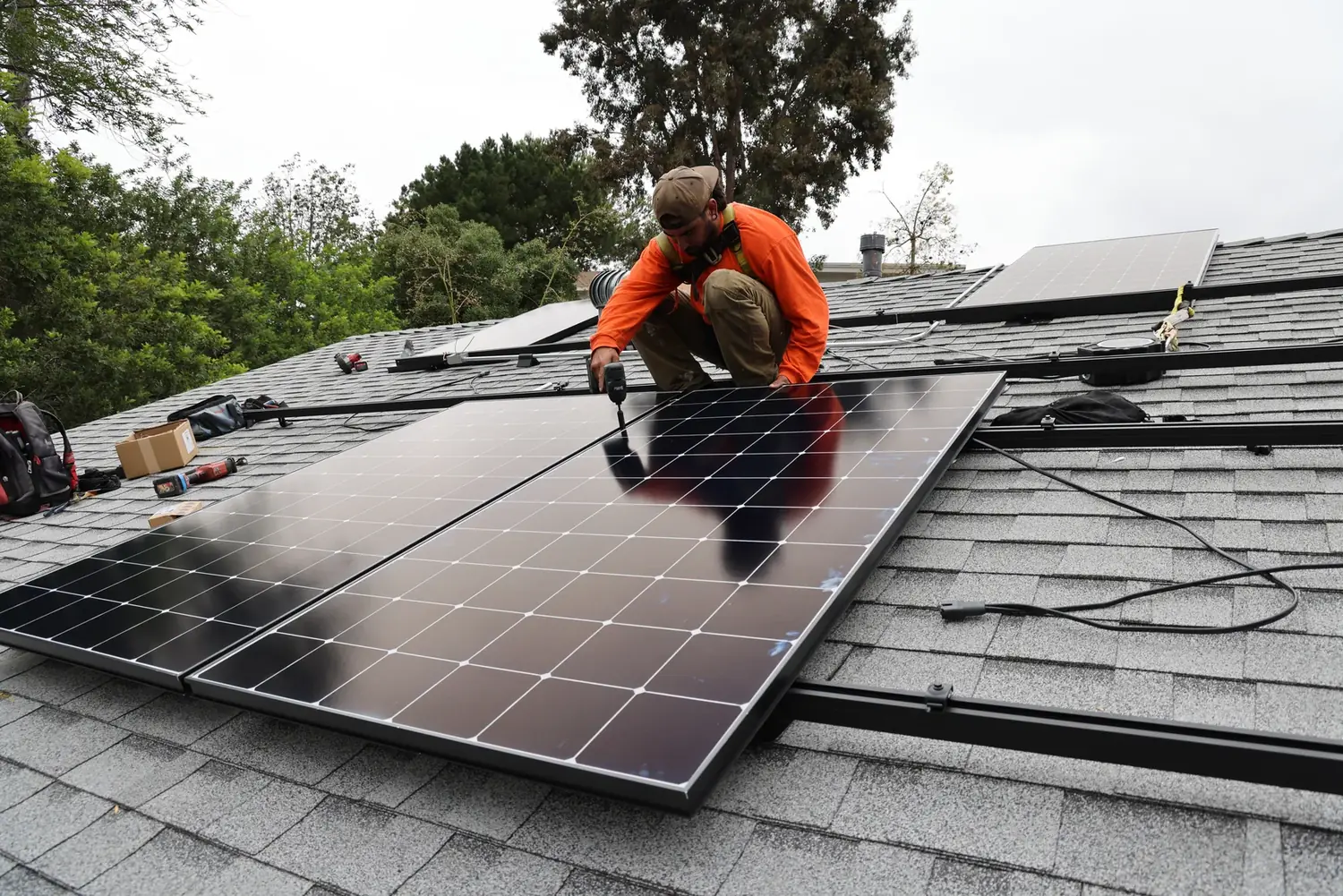
Let your roof guide the choice
Shade, multiple orientations and complicated layouts can make panel-level electronics useful, but the benefit and cost vary. Modern string systems can also use multiple inputs, bypass diodes or optimizers. Ask for a production estimate that models the proposed roof layout and shade rather than assuming one approach always wins.
Monitoring and service
Some equipment offers panel-level monitoring; other systems show only group or system output. If a central inverter fails, production from the connected equipment may stop. Panel-level electronics distribute hardware across the roof, but service may require roof access. Ask who diagnoses issues, what labor is covered, and whether monitoring is included.
Questions to ask your installer
- Why is this design a good fit for my shade and roof planes?
- What monitoring will I see, and who responds to an alert?
- What happens if a component fails, and which labor costs are covered?
- Can the proposed configuration support storage later?
Read how a battery works with solar and how to compare warranties.
Sources and further reading
KEEP EXPLORING