
THE HOMEOWNER’S GUIDE TO SOLAR SOLAR BASICS
Sending power back to the grid
When your solar system produces more than your home uses at that moment, eligible surplus may be sent to the electric grid. The credit you receive depends on your utility and the rules for your account.
← Back to the guide Solar installation example
On this page
How exports are credited
Your meter measures the electricity you buy from and send to the grid. Your utility applies the rates and credit rules associated with your account. The terms for a new system may differ from those of an older system nearby.
California solar billing
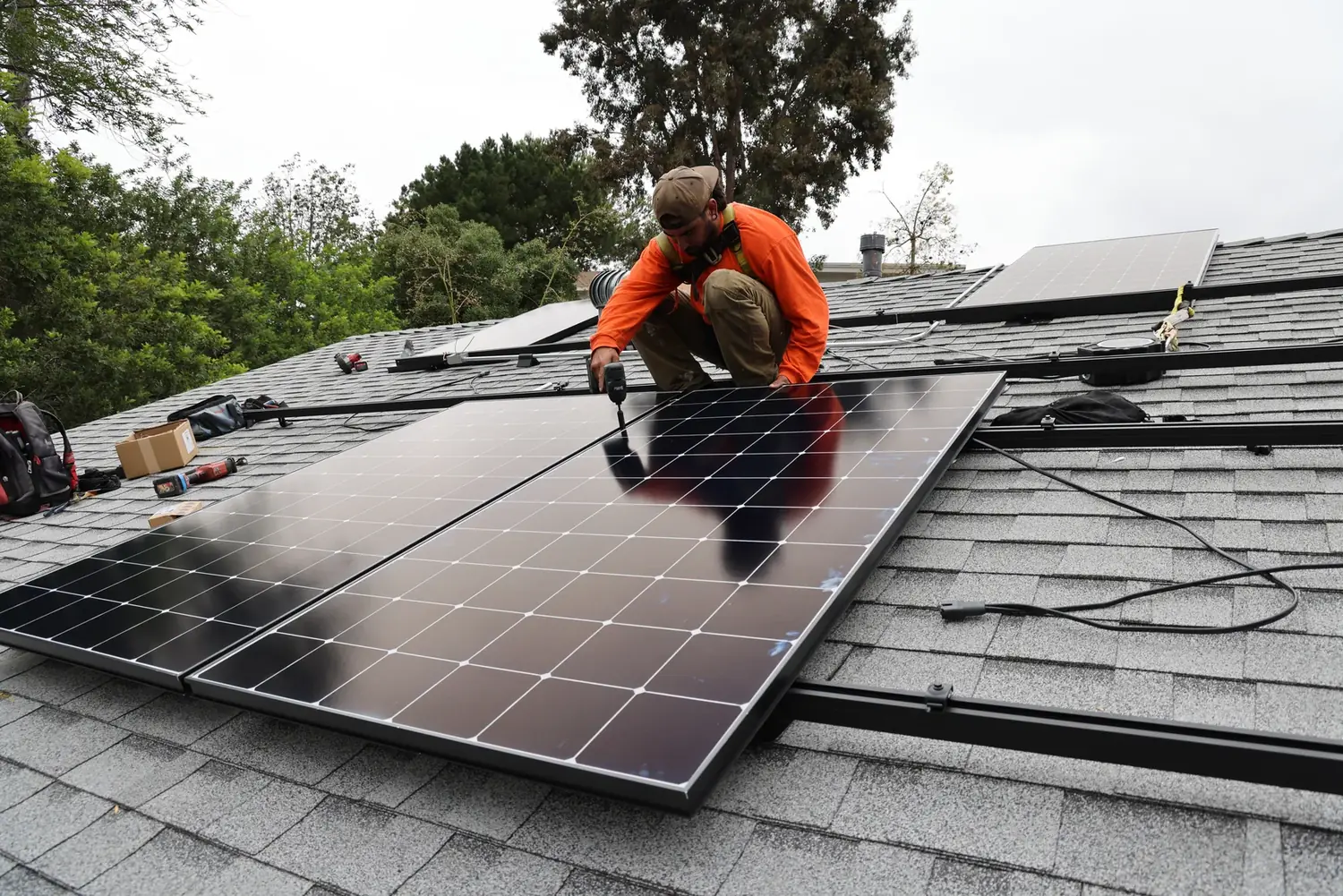
The California Public Utilities Commission explains that PG&E, SCE and SDG&E call their net billing tariff the Solar Billing Plan. Under that tariff, export compensation varies by time and is usually lower than the retail rate, though it can be higher at certain times. Municipal utilities have their own rules; ask your provider which applies to your home.
What a battery changes
A battery can store some energy for use later, or, where the system and tariff allow, export it at another time. Whether it saves money depends on the rates, equipment cost, energy losses, settings and your actual usage.
Questions for your proposal
Which utility and tariff are modeled? How do export credits vary over the day? How are monthly charges and annual settlement handled? What utility charges are expected to remain? Ask to see those assumptions in writing.
Sources and further reading
Reviewed November 14, 2026. Terms and utility rules can change; use the documents for your proposed system.
KEEP EXPLORING