
THE HOMEOWNER’S GUIDE TO SOLAR PAYING FOR SOLAR
Leases and PPAs: renting the system on your roof
A lease or power purchase agreement (PPA) can bring solar to your home while another company owns the system. The benefit is a different way to pay for solar; the details that make an offer valuable live in the agreement.
← Back to the guide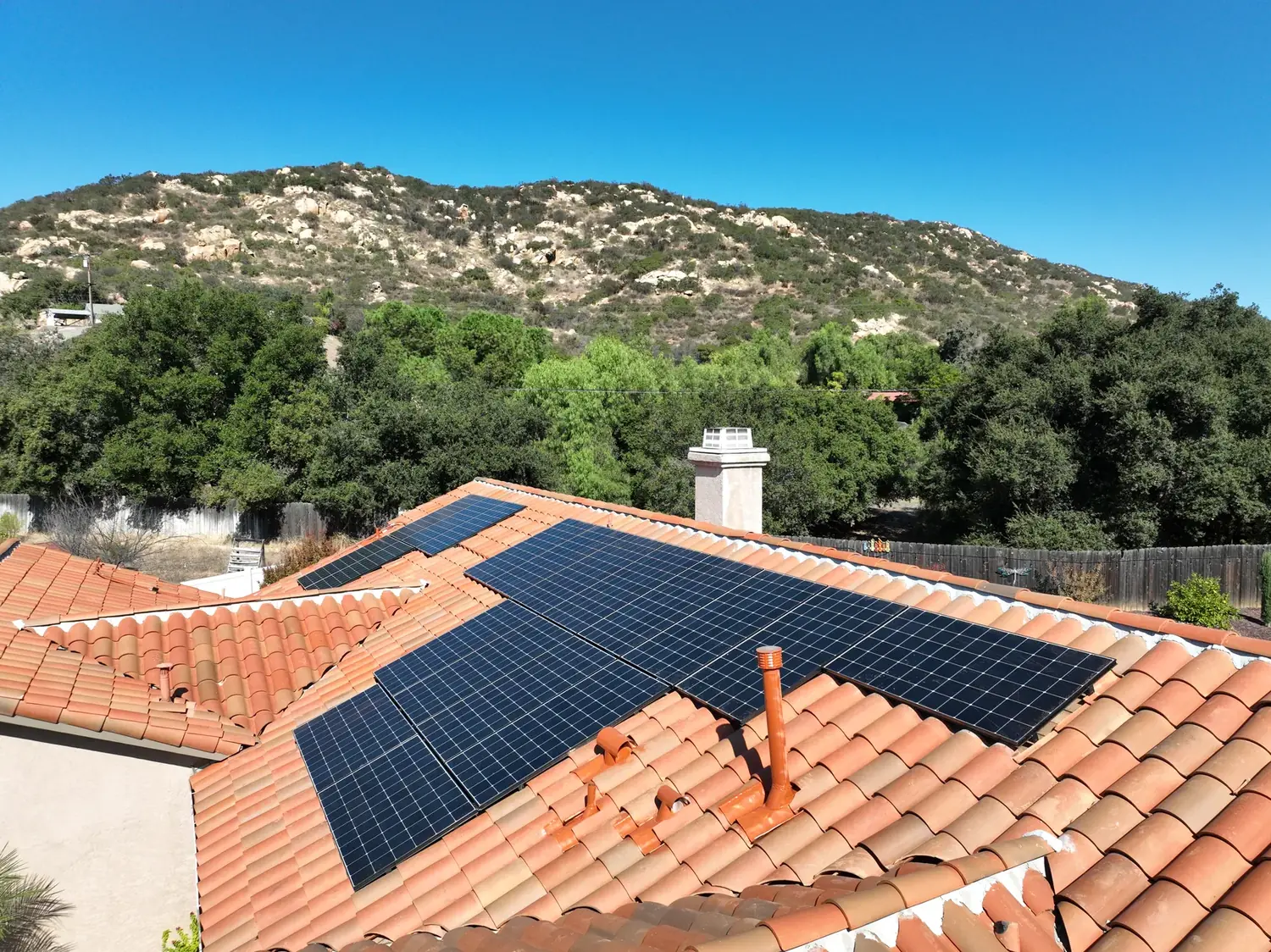 Solar installation example
On this page
How the arrangements work
A lease generally pays for use of the system; a PPA is an agreement to purchase the power it produces. Products vary: read the proposed payment schedule rather than assuming every agreement works alike. Some arrangements may be prepaid.
The provider owns the system under the agreement. Incentive eligibility depends on the applicable rules and the owner’s circumstances; ask how any available benefits are reflected in your proposal.
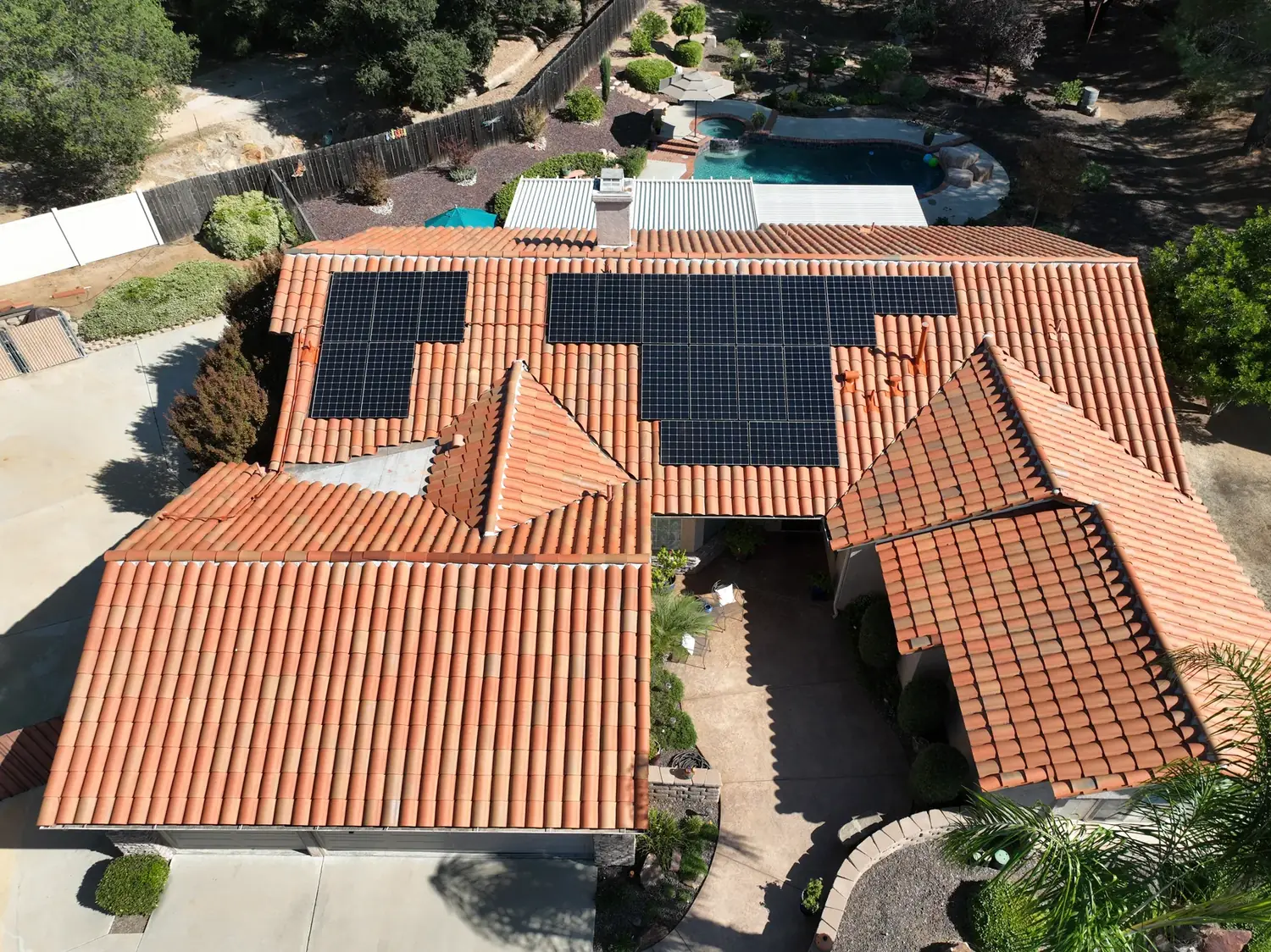
Service can be a valuable benefit
Many third-party agreements include maintenance and repairs. Ask who monitors the system, who responds to a problem, which parts and labor are covered, and how long service lasts. The written contract controls the obligations, response terms and exclusions.
Look beyond the first payment
Some agreements increase payments over time; others have different payment structures. Ask for the payment schedule and the total projected cost over the full term. You can still have a utility bill, so compare the agreement payment and remaining utility charges with your current bill and other offers. Savings are estimates, not guarantees.
If you sell your home
Ask the provider about transfer requirements, buyer qualification, buyout options and costs, and what happens if a buyer does not assume the agreement. Available options depend on the contract and the transaction.
At the end of the agreement
Ask whether you can extend the agreement, purchase the system, or have it removed, and who pays any related costs. Do not assume those options or their prices are the same across providers.
See the effect of an escalator
For an illustration only, a $150 monthly payment that rises 3% once per year would be about $195.72 per month in year 10 and $263.03 in year 20. This example assumes the first increase occurs after year one; it is not a Heliogold offer. A PPA's total payment can also vary with the amount of electricity billed. Ask for the actual schedule, rate, production assumptions, remaining utility charges and contract terms for your proposal.
Sources and further reading
Reviewed November 14, 2026. Terms and utility rules can change; use the documents for your proposed system.
KEEP EXPLORING