
THE HOMEOWNER’S GUIDE TO SOLAR SOLAR BASICS
How much power your home actually uses
Your electricity use is a starting point for a solar design. Looking at a full year helps capture seasonal changes, while considering the timing of use helps explain the potential value of solar and storage.
← Back to the guide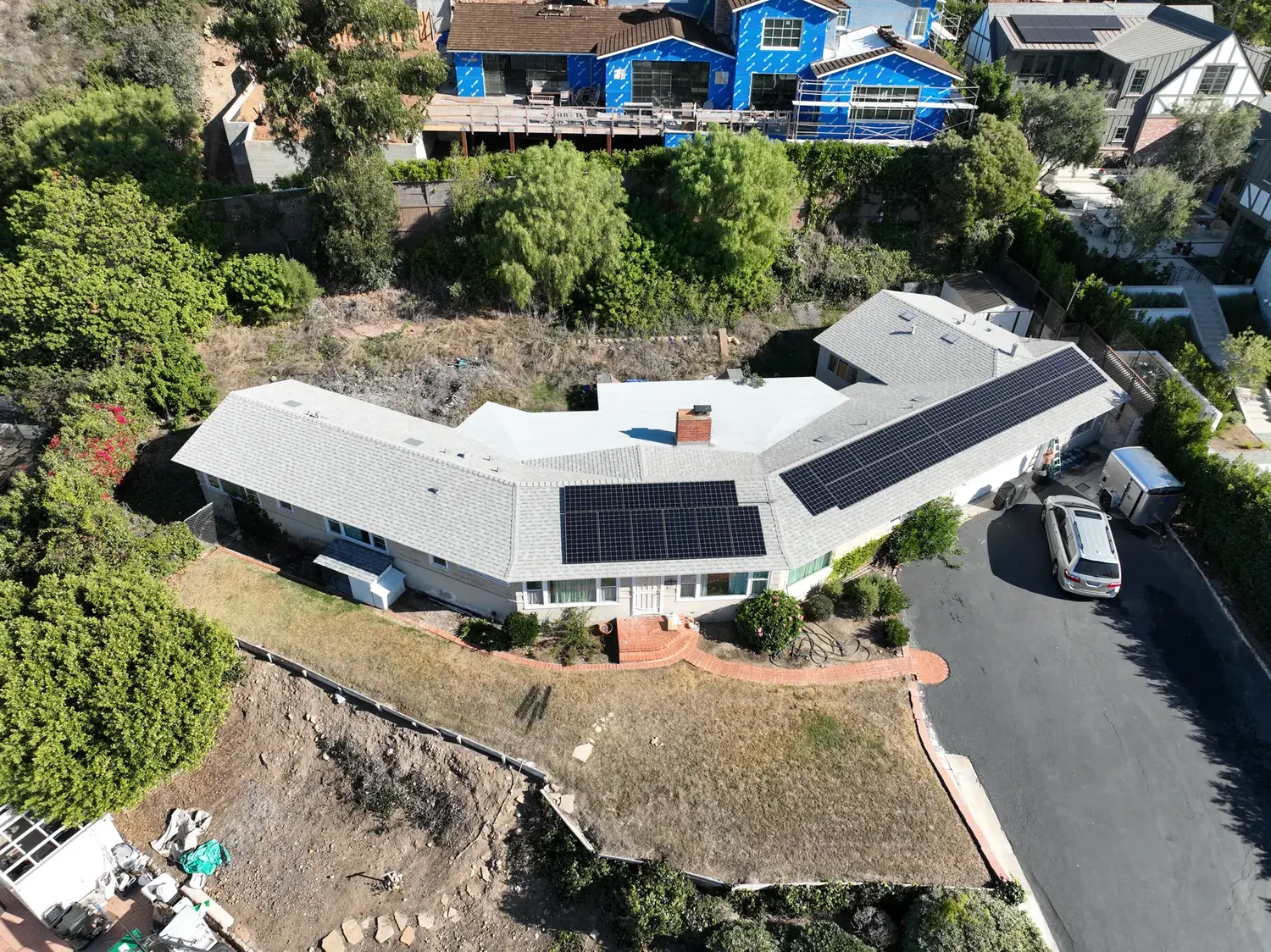 Solar installation example
On this page
Find your usage
Look at your utility bills or online account for your electricity use over the previous twelve months. If you have less history, tell your installer what is missing and ask how they will estimate it. Seasonal cooling and heating can make a single month unrepresentative.
Know the units
A kilowatt measures power; a kilowatt-hour measures energy used or produced over time. Solar equipment is commonly described by its rated power in kW, while your bill and an annual production estimate use kWh.
Consider what may change
An electric vehicle, new air conditioning, a heat pump, or changes in household size can affect future electricity use. Tell your installer about realistic plans so the proposal can show the assumptions used.
Use the whole picture
Annual energy use is one input, not the only sizing rule. Ask how roof space, shade, production timing, utility credits and your budget influence the proposed size. Compare estimated production and remaining charges with your actual usage.
Sources and further reading
Reviewed November 14, 2026. Terms and utility rules can change; use the documents for your proposed system.
- U.S. Department of Energy: Solar-plus-storage basics
- U.S. Department of Energy: A step-by-step guide to going solar
- U.S. Department of Energy: Solar operations and maintenance best practices
- U.S. Department of Energy: Guide to buying a house with solar panels
- California Public Utilities Commission: Solar Consumer Protection Guide
- Enphase: Sunlight Backup installation guidelines
KEEP EXPLORING