
THE HOMEOWNER’S GUIDE TO SOLAR BATTERIES AND BACKUP POWER
How a battery works with solar
A battery stores electricity for use later. It can work with solar to help manage your bill, provide backup with compatible equipment, or do both. The way power moves depends on the system’s settings and your utility’s rules.
← Back to the guide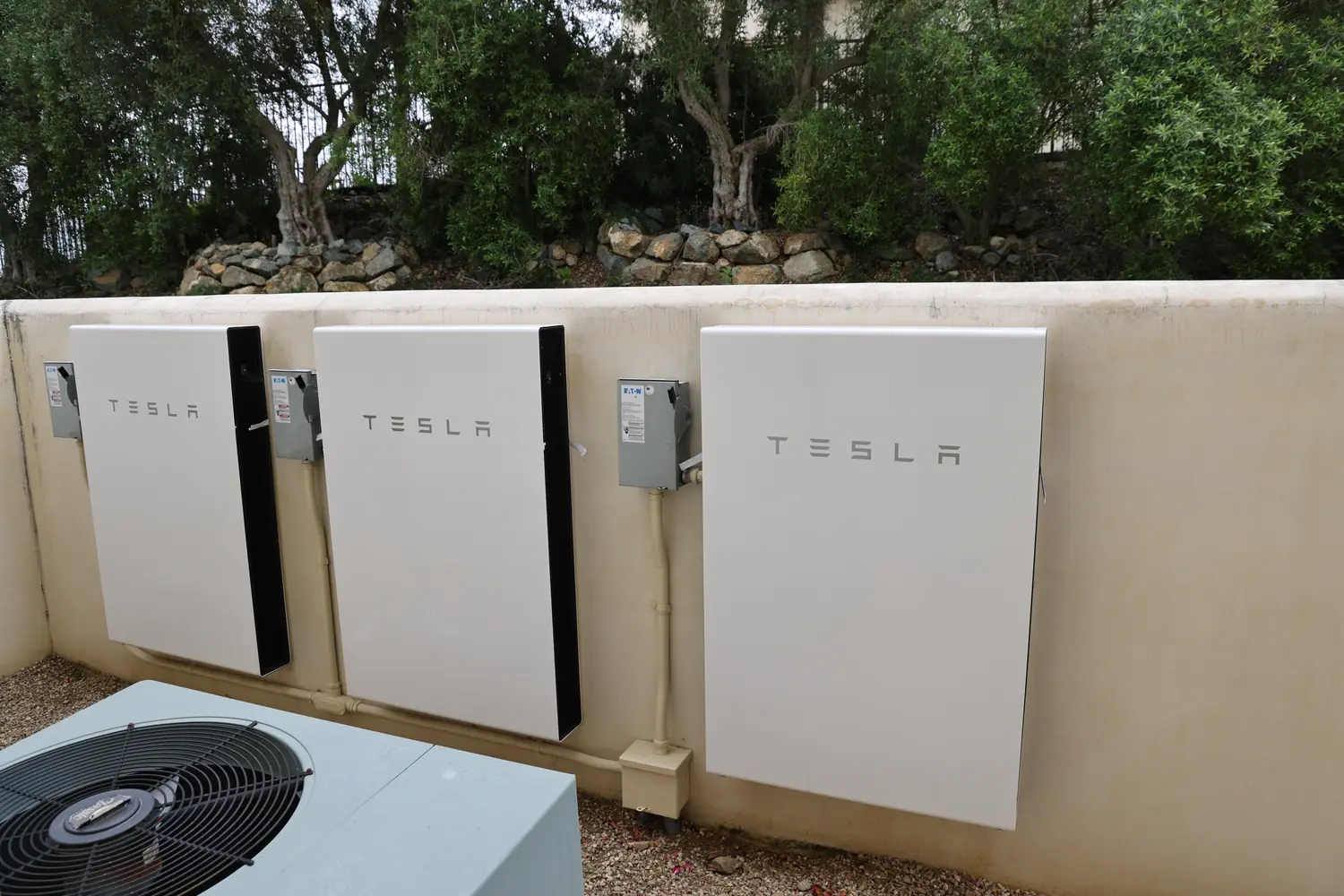 Solar installation example
On this page
Where the power goes
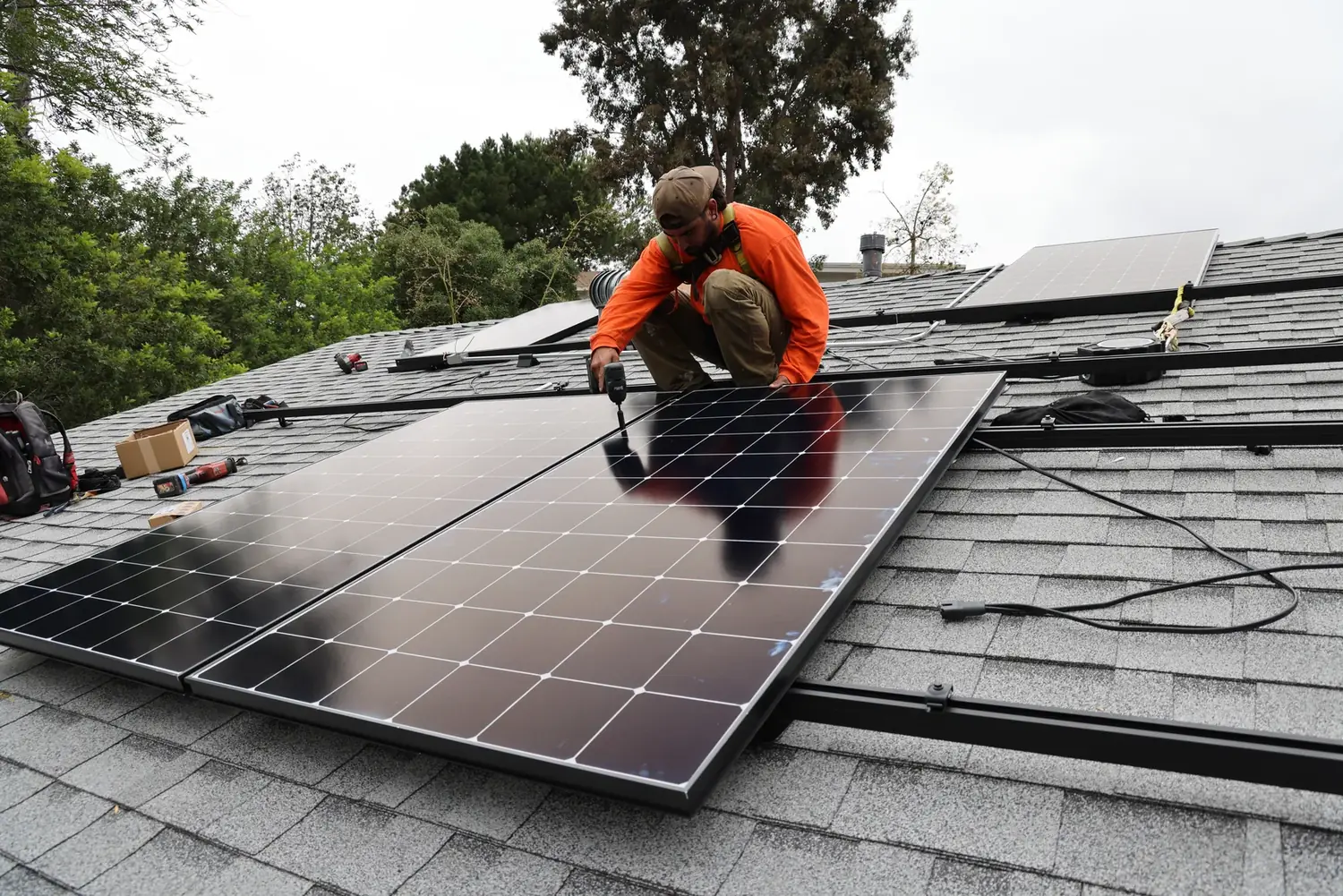
A solar system supplies electricity to your home. Depending on the system and settings, surplus may charge a battery or be exported to the grid. When solar is not producing enough, the home may draw from the battery, the grid, or both. Do not assume every system follows the same fixed order.
How it connects
Solar and storage can be connected on the DC side or the AC side. The equipment configuration affects compatibility and the work involved in adding storage later. Ask your installer to explain the proposed design and whether it can be expanded.
What it can do
A battery can shift energy to a different time of day. The financial value depends on your rate, export credits, charging rules, usage and equipment cost. Storage and conversion involve energy losses, so the electricity retrieved is less than the electricity put in.
Backup is a separate design decision
A battery paired with appropriate backup equipment can power supported loads during an outage. Ask which circuits are included and how the system behaves in an extended outage. Some specially configured solar systems can provide limited daylight backup without a battery.
Questions to ask
Can this system charge from the grid, and is that allowed under my tariff or incentive? How is the battery controlled? What is the usable capacity and output? What warranty and service are included?
Following the energy through a day
| Situation | What may happen |
|---|---|
| Sun and available surplus | Solar can serve home loads and, depending on the system and settings, charge the battery or export to the grid. |
| Evening or low production | The home may use stored energy, grid power or both according to its equipment and settings. |
| Utility outage | A properly configured backup system can power supported loads while charge and system limits permit. |
This is an illustration, not a fixed sequence: charging rules, reserve settings, grid-export restrictions and equipment differ by system.
Capacity, power and reserve
Usable capacity in kilowatt-hours helps describe how much energy is available; continuous and peak output in kilowatts help determine which appliances can run or start. Setting aside a backup reserve can leave less charge available for daily bill management. Ask for a load assessment and details of which circuits are backed up.
Equipment placement and service
Ask the installer where equipment will be mounted, what clearances or permitting apply, who monitors the system and how service or warranty claims are handled. Requirements depend on the equipment and local rules.
Sources and further reading
Reviewed November 18, 2026. Terms and utility rules can change; use the documents for your proposed system.
- U.S. Department of Energy: Solar-plus-storage basics
- U.S. Department of Energy: A step-by-step guide to going solar
- U.S. Department of Energy: Solar operations and maintenance best practices
- U.S. Department of Energy: Guide to buying a house with solar panels
- California Public Utilities Commission: Solar Consumer Protection Guide
- Enphase: Sunlight Backup installation guidelines
KEEP EXPLORING