
THE HOMEOWNER’S GUIDE TO SOLAR GETTING IT INSTALLED
Getting permission to operate
After installation, a grid-connected system generally needs inspection and utility authorization before it can operate in parallel with the grid. This final approval is often called permission to operate, or PTO.
← Back to the guide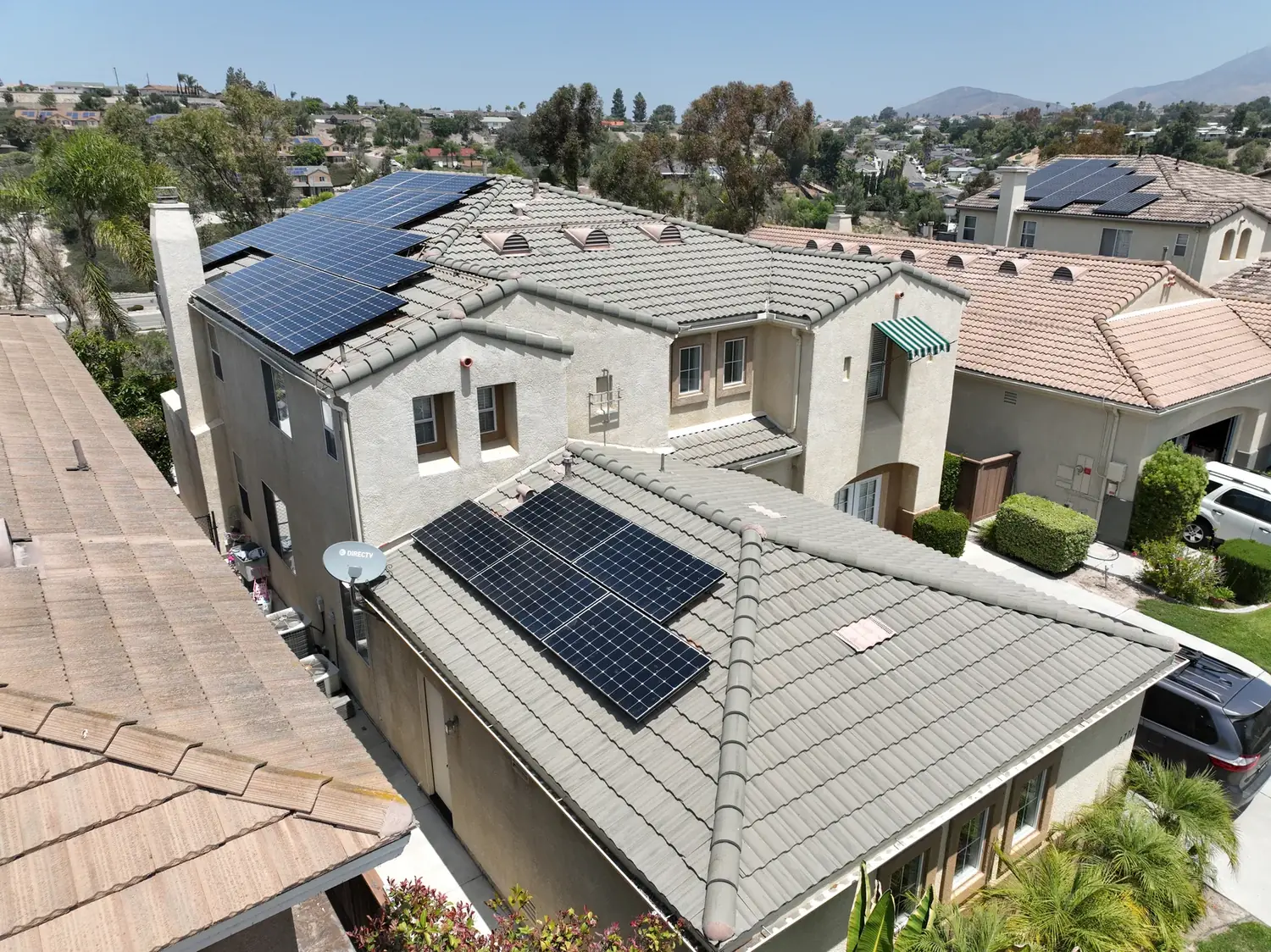 Solar installation example
On this page
What happens after installation
The local jurisdiction generally inspects the work. The utility’s interconnection process may also require documentation, an agreement, or a meter review. The precise sequence depends on your utility and jurisdiction.
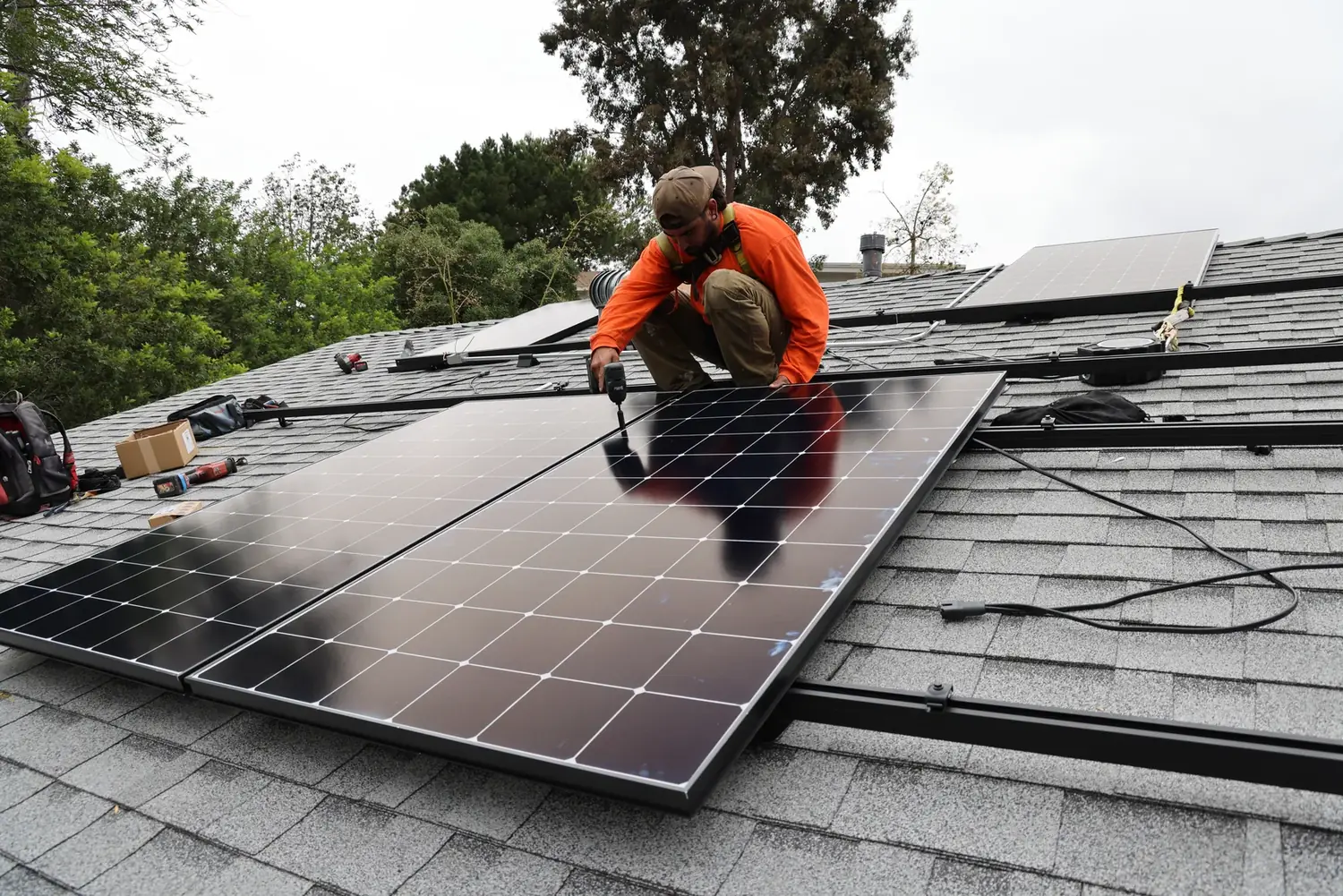
Waiting for approval
Ask your installer who submits the inspection result and how you will receive the utility’s authorization. If there is a delay, request the application status and ask whether the utility needs anything from you. Keep copies of the relevant correspondence.
When the system is ready
Do not operate the system in parallel with the grid until the required approval is in place. Follow the utility and installer’s instructions for your equipment. Ask for a copy of the authorization and an explanation of the startup and monitoring process.
Check your first bills
Confirm the utility account reflects the applicable solar billing arrangement and rate. Compare those details with the assumptions in your proposal, and contact the utility if you have questions about charges or credits.
Sources and further reading
Reviewed November 14, 2026. Terms and utility rules can change; use the documents for your proposed system.
- U.S. Department of Energy: Rooftop solar permitting and inspection
- U.S. Department of Energy: A step-by-step guide to going solar
- California Department of Real Estate: California code excerpts
- U.S. Department of Energy: Integrating solar PV into weatherization programs
- U.S. Department of Energy: Solar photovoltaic system design basics
KEEP EXPLORING