
THE HOMEOWNER’S GUIDE TO SOLAR BATTERIES AND BACKUP POWER
Batteries for savings, not backup
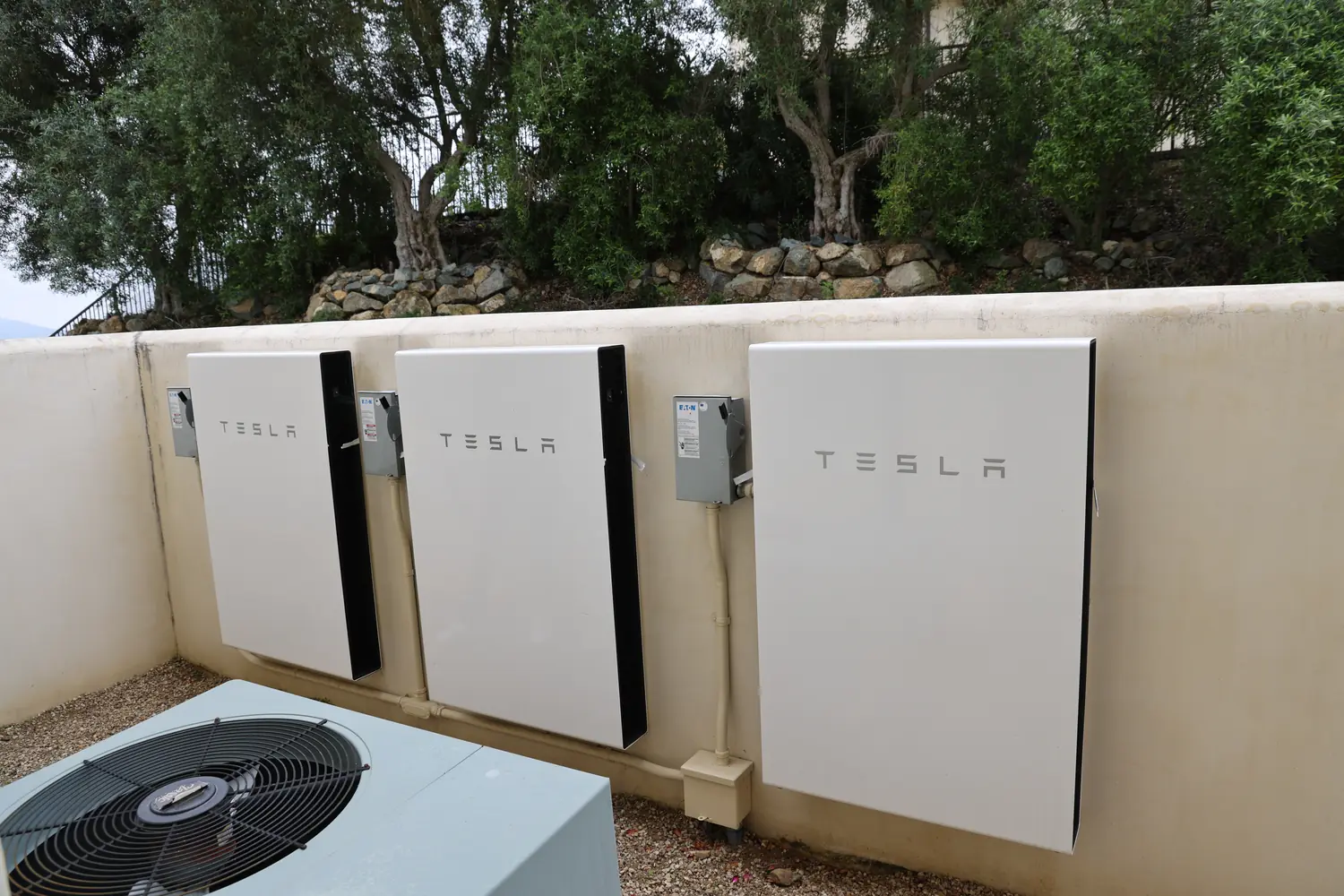
A battery can store energy and shift when you use it. That may lower your bill under some utility rates, but the savings depend on your home, equipment and tariff.
← Back to the guide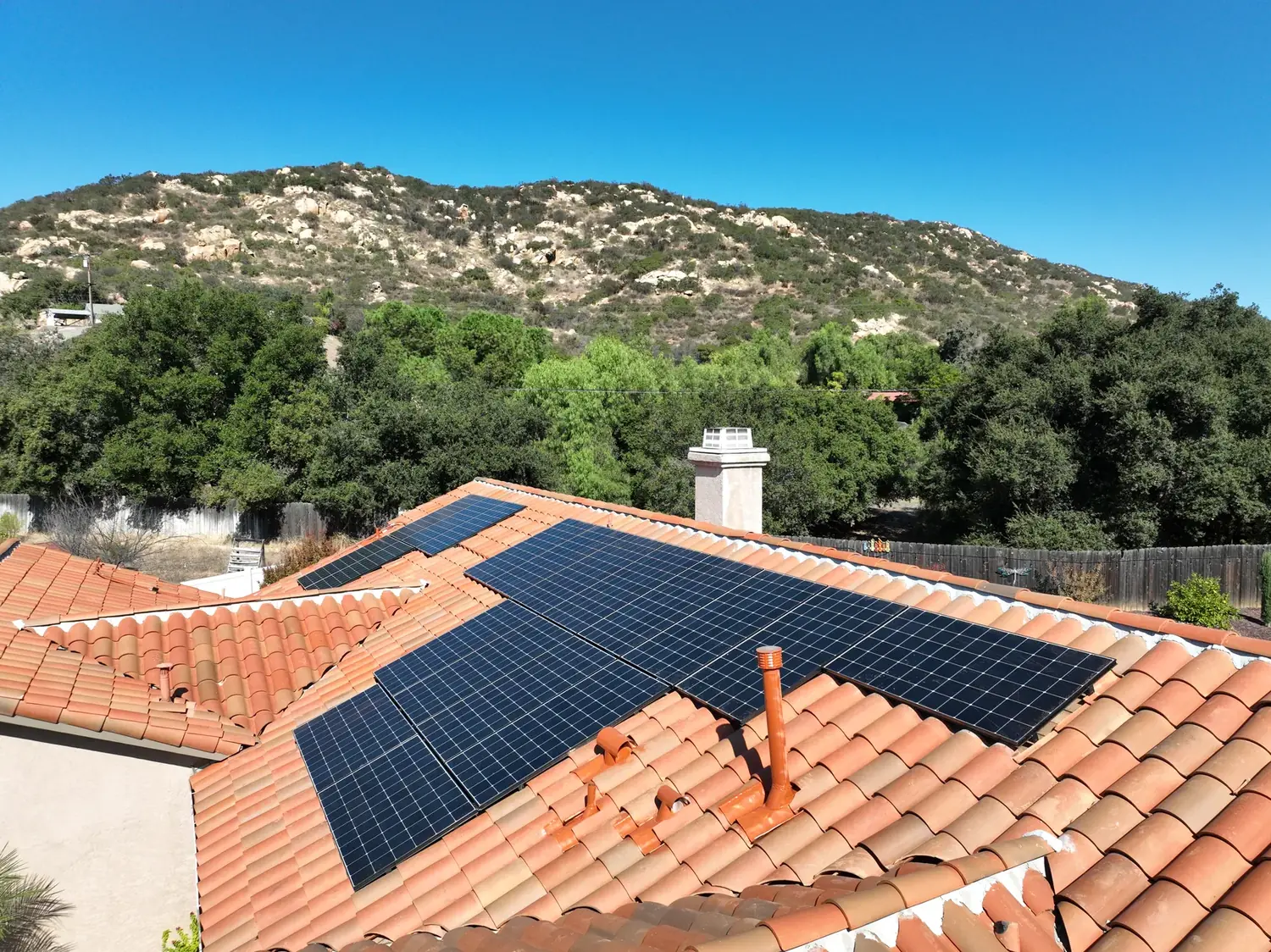 Solar installation example
On this page
Why timing matters
Your home may use solar energy as it is produced, store some in a battery, or export eligible surplus. A battery can make stored energy available later, when purchased electricity may cost more or exports may be more valuable. The result depends on the applicable tariff and the way the system is configured.
California rates differ
The CPUC explains that, under the net billing tariff used by PG&E, SCE and SDG&E, export compensation varies over time and is usually lower than retail, though it can be higher during some hours. Municipal utilities use their own rules. Ask which tariff applies to your account.
Calculate the whole picture
Compare installed price with projected savings over time. Account for your actual energy use, battery capacity, energy lost during storage, the warranty, and changes in utility rates. Ask whether the forecast assumes the battery is used for backup as well.
Ask for a clear proposal
Which rates and export values are used? How will the battery be charged and discharged? Is a backup reserve included? Is the system equipped for outages? What does the warranty cover? A good estimate explains its assumptions instead of promising a specific return.
Sources and further reading
Reviewed November 14, 2026. Terms and utility rules can change; use the documents for your proposed system.
KEEP EXPLORING