
THE HOMEOWNER’S GUIDE TO SOLAR BATTERIES AND BACKUP POWER
Do you need a battery
A battery can shift energy to a different time of day, provide backup when paired with the right equipment, or be designed for both. Whether it is right for your home depends on your goals and the numbers.
← Back to the guide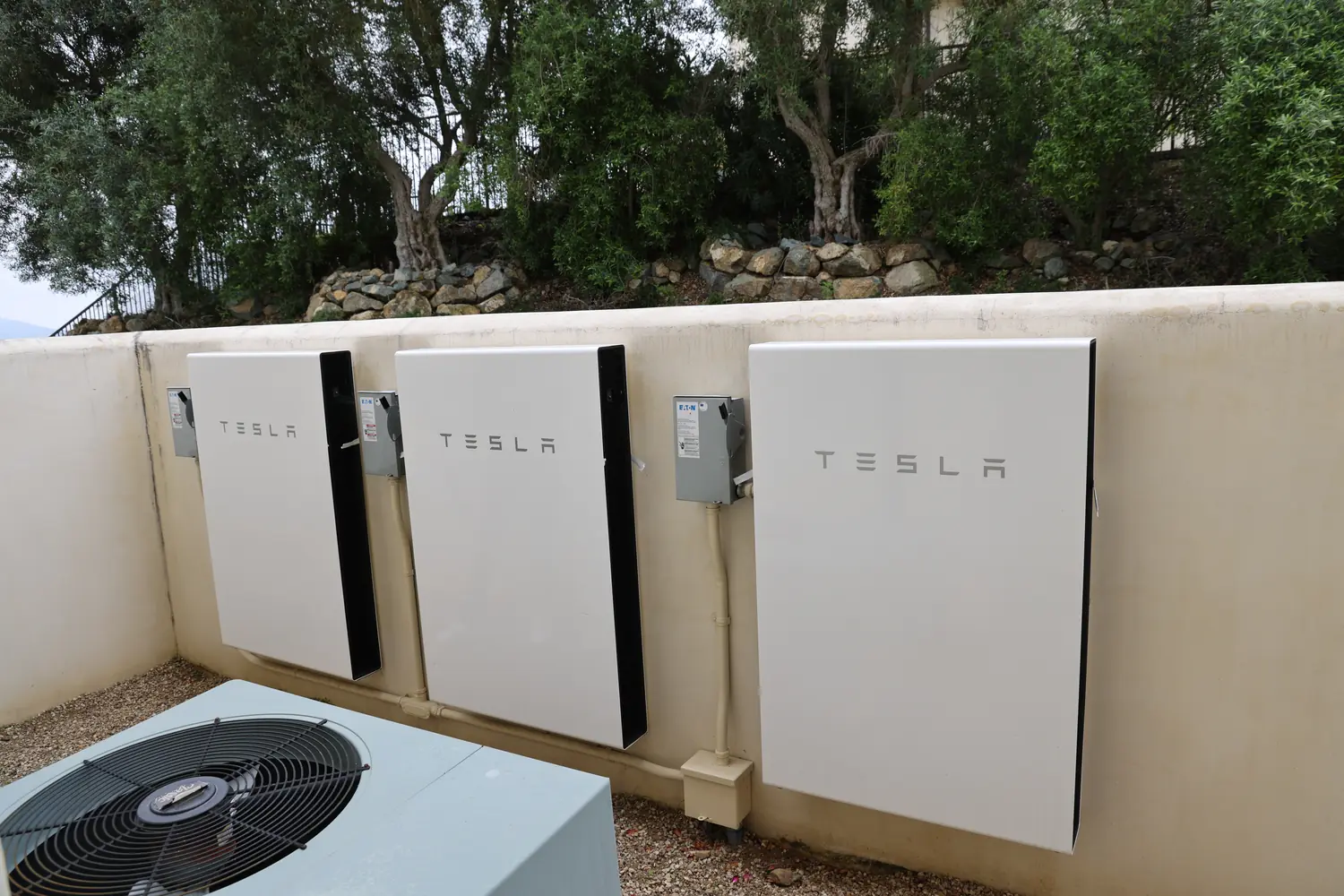 Solar installation example
On this page
For backup
A compatible solar and battery system can keep supported loads running during an outage. Ask which circuits and appliances are included, whether solar can recharge the battery during an outage, and what happens when sunlight or stored energy runs low.
Some specially configured solar systems can supply limited loads in sunlight without a battery, but they do not store energy for nighttime use.
For your bill
A battery can store solar energy for use when grid electricity is more expensive or when exports are less valuable. Some tariffs may also allow stored energy to be exported. Compare estimated savings against the installed cost, energy losses, warranty, and your usage pattern; savings are not guaranteed.
Sizing for both
Usable capacity affects how much energy can be stored. Power output and starting capacity affect which loads can run at once. A reserve for outages can leave less energy for daily use, so ask the installer to explain the settings and trade-offs.
What to ask
How much usable capacity and output are included? Which loads can run during an outage? What service and warranty apply? What tariff and export assumptions drive the savings estimate? Can a battery be added later, and what would that require?
Sources and further reading
Reviewed November 14, 2026. Terms and utility rules can change; use the documents for your proposed system.
KEEP EXPLORING